
Attic Ventilation for Central Texas Homes — What Works?
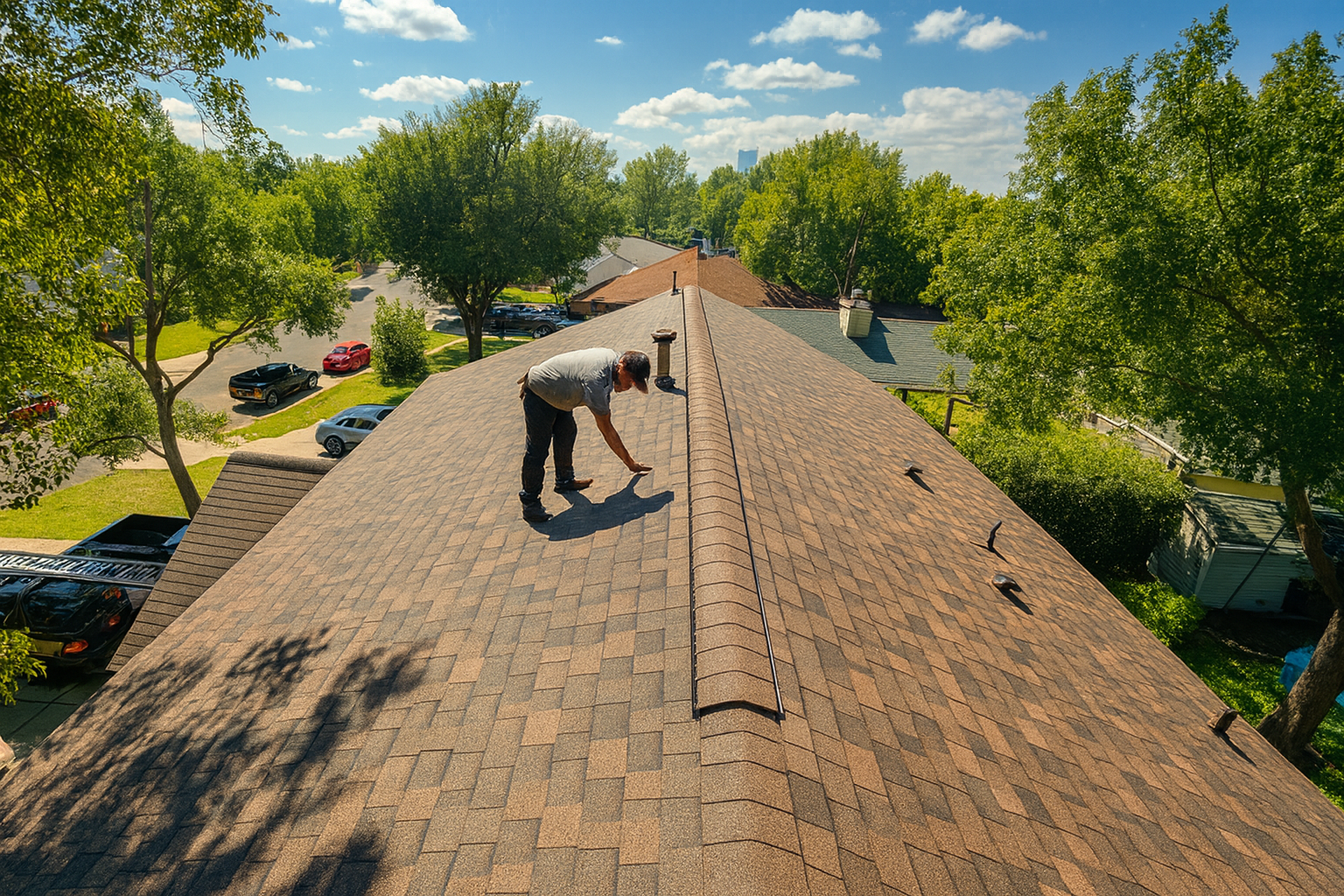
When homeowners search Attic Ventilation for Central Texas Homes, they often expect a one-size-fits-all answer. The truth is, Austin’s extreme weather demands a balanced system, not just a fan in the attic. After working on hundreds of homes, HD Roofing and Repairs has learned that effective ventilation is about airflow, humidity control, and long-term roof performance.
At HD Roofing and Repairs, we specialize in designing Attic Ventilation for Central Texas Homes by using proven intake and exhaust strategies that match your home’s unique roofline and seasonal climate.
Why Ventilation Matters After Austin’s Hot Summers and Fall Rains
If you’re wondering why Attic Ventilation for Central Texas Homes is so important, look no further than Austin’s seasonal shifts. Intense summer heat bakes shingles, while sudden fall rains introduce humidity into attics that can’t “breathe.”
Good Attic Ventilation for Central Texas Homes helps balance temperature and moisture. During Austin’s hot season, ridge and soffit vents reduce attic heat by allowing trapped air to escape. In cooler, damp months, proper airflow prevents condensation and mold.
Ridge Vents vs. Soffit Vents: The Intake/Exhaust Balance Explained
Homeowners often ask us during inspections, “For Attic Ventilation for Central Texas Homes: What Works? ridge vents or fans?” The answer is balance, ridge vents need soffit vents to function.
The Proper Balance
- Soffit vents (intake): Bring in cool, dry air from outside.
- Ridge vents (exhaust): Release hot, humid air from the attic peak.
In many Austin homes, ridge vents are added without proper soffit intake. That imbalance is why Attic Ventilation for Central Texas Homes always starts with calculating intake area first. Without intake, exhaust vents can actually pull air from your living space, increasing cooling costs.
Powered Attic Fans: Separating Myths from Reality
If you’re still wondering about Attic Ventilation for Central Texas Homes, let’s talk about powered fans. They sound efficient, but many do more harm than good when installed without balanced intake.
Myths vs. Reality
- Myth: “A fan alone solves attic heat.”
Reality: Without proper intake, the fan creates negative pressure that pulls conditioned air out of your house.
- Myth: “More power equals better cooling.”
Reality: Overventilating can draw in rainwater during Austin’s fall storms.
- Myth: “Solar fans are maintenance-free.”
Reality: Dust buildup and failing motors reduce their lifespan.
Our experience with Attic Ventilation for Central Texas Homes shows that passive ventilation, properly balanced ridge and soffit vents, often outperforms powered fans in both cooling efficiency and cost.
Signs of Poor Ventilation (Humidity, Mold, Warped Decking)
To spot problems early, look for these warning signs common in Attic Ventilation for Central Texas Homes inspections:
- Musty attic odors after heavy rain
- Mold or dark staining on rafters
- Soft or warped roof decking
- Hot upper rooms or high energy bills
- Peeling paint and shingle blistering
-
An Austin homeowner recently asked us to review her Attic Ventilation for Central Texas Homes setup after noticing black mold on insulation. The cause? Blocked soffit vents. After clearing them and balancing airflow, attic temperatures dropped nearly 20°F, proof that intake is as critical as exhaust.
Best Ventilation Setups for Central Texas Homes
When evaluating Attic Ventilation for Central Texas Homes, our goal is simple, consistent, natural airflow from eave to ridge.
1. Continuous Ridge and Soffit System
The gold standard for Attic Ventilation for Central Texas Homes: What Works? uses continuous soffit intake paired with ridge vent exhaust. It ensures hot air escapes evenly and moisture doesn’t settle.
2. Proper Baffle Installation
Vent baffles prevent insulation from clogging soffit vents, a must for Attic Ventilation for Central Texas Homes: What Works? in neighborhoods like Cedar Park and Round Rock.
3. Smart Fan Integration
Fans can supplement ventilation if paired with humidistats. Our team only installs powered units as part of a balanced Attic Ventilation for Central Texas Homes system, never as a standalone fix.
4. Regular Roof Inspections
Schedule biannual inspections, especially after Austin’s fall rains. Detecting condensation or blocked vents early can extend your roof’s lifespan by years.
At HD Roofing and Repairs, our technicians understand Attic Ventilation for Central Texas Homes: What Works? because we’ve tested every method, from ridge vents to thermostatic fans, across thousands of Texas rooftops.
Visit Us in Austin, TX
Need expert advice on Attic Ventilation for Central Texas Homes. Our local roofing team specializes in diagnosing airflow issues and helping homeowners reduce energy costs and moisture buildup.
Visit us in Austin, TX or contact HD Roofing and Repairs for professional ventilation assessments and Insurance Claims Assistance.
Keep Your Attic Cool, Dry, and Efficient Year-Round
Homeowners researching Attic Ventilation for Central Texas Homes want one thing, a roof system that lasts. Balanced ventilation protects against mold, extends shingle life, and keeps your home comfortable in every season.
If you’re unsure whether your attic system is performing as it should, contact HD Roofing and Repairs.
Frequently Asked Questions
Do attic fans really help in Austin’s climate?
Only when part of a balanced Attic Ventilation for Central Texas Homes system. A fan alone can worsen humidity issues.
How can I tell if my attic has enough ventilation?
If it’s hotter than expected or smells musty, your setup likely needs adjustment. Our specialists can measure it as part of your Attic Ventilation for Central Texas Homes inspection.
Can poor ventilation void a roof warranty?
Yes, most manufacturers require proper airflow. Following Attic Ventilation for Central Texas Homes best practices ensure warranty compliance.
What ratio of vents should my home have?
A balanced system uses 1 sq. ft. of vent area per 300 sq. ft. of attic space, a cornerstone rule in Attic Ventilation for Central Texas Homes.
Who can install the right ventilation system in Austin?
Our licensed experts at HD Roofing and Repairs design and install solutions aligned with Attic Ventilation for Central Texas Homes to match your property and climate.


