Is It Time to Fix Your Roof? A Homeowner’s Guide to Catching Damage Early
Is It Time to Fix Your Roof? A Homeowner’s Guide to Catching Damage Early
Every homeowner knows the sudden sink in their stomach when they notice a faint, brown water stain spreading across their living room ceiling. Your home is your sanctuary, and your roof is its primary shield against the elements. When that shield is compromised, the anxiety is immediate. You find yourself wondering if it's a quick fix, a massive structural issue, or if you're going to have to drain your savings to address it.
For many homeowners, the roof remains out of sight and out of mind until a major problem forces it to the forefront. However, a failing roofing system rarely happens overnight. It leaves subtle breadcrumbs of wear and tear that, if caught early, can save you thousands of dollars and immense stress. This guide is designed to empower you to evaluate your roof's health, spot early warning signs from the ground, and navigate the financial realities of fixing your roof before a minor vulnerability becomes an interior disaster.
How Local Climate Impacts Your Roofing System
To understand why roofs fail, you first have to understand the environment they endure. Homes in Lakeway, Texas, are exposed to a unique combination of intense summer heat, high humidity, and sudden, severe storm fronts. These environmental factors put incredible stress on standard roofing materials.
During the peak of summer, surface temperatures on a standard asphalt shingle roof can soar well above the ambient air temperature. This constant, baking heat causes the shingles to slowly lose their essential oils, making them brittle. When a sudden afternoon thunderstorm rolls in and rapidly drops the temperature, those brittle shingles experience "thermal shock." The rapid expansion and contraction can cause micro-tears in the material, weakening the sealant bonds that hold the shingles together.
Furthermore, high humidity environments create the perfect breeding ground for organic growth. If your home in Lakeway is shaded by beautiful, mature trees, the lack of direct sunlight can allow moisture to linger on the shingles. Over time, algae and moss can take root. Moss is actively destructive; its root systems can lift the edges of your shingles, allowing rainwater to travel horizontally underneath them and into your vulnerable wooden decking. You may also want to learn how to check your attic for hidden leaks to ensure moisture isn't already causing silent damage inside.
Early Warning Signs: Inspecting Without a Ladder
You do not need to risk your safety by climbing onto your roof to perform a basic health check. Critical warning signs of impending failure can be spotted right from your driveway.
- Excessive Granule Loss: Asphalt shingles are coated in a layer of crushed, ceramic-coated rock granules. These protect the underlying asphalt from destructive UV rays and provide fire resistance. As a roof ages, it naturally sheds some granules. However, if you check your downspout splash blocks after a heavy rain and find a thick, sand-like buildup, your roof is rapidly losing its armor. Once the asphalt is exposed to the sun, it deteriorates quickly, leading to imminent leaks.
- Curling, Cupping, or Missing Shingles: Grab binoculars and scan the slopes of your roof. The shingles should lie completely flat against the decking. If you notice the edges turning upward (curling) or the centers looking sunken (cupping), the materials have reached the end of their functional lifespan. They are no longer capable of shedding water properly, and heavy winds can easily catch the lifted edges and tear them off completely.
- Damaged or Rusted Flashing: Flashing includes the pieces of galvanized steel or aluminum installed around roof penetrations like chimneys, skylights, plumbing vents, and the "valleys" where two roof slopes meet. Because these areas interrupt the continuous flow of shingles, they are common starting points for leaks. If you see that the metal flashing is rusted, or if the rubber boots around your pipes look cracked, water is almost certainly finding its way into your attic.
Understanding the True Cost of Roof Repairs
When facing a home improvement project, the first question is usually about the budget. Transparency in pricing is vital, and understanding the variables can help you prepare.
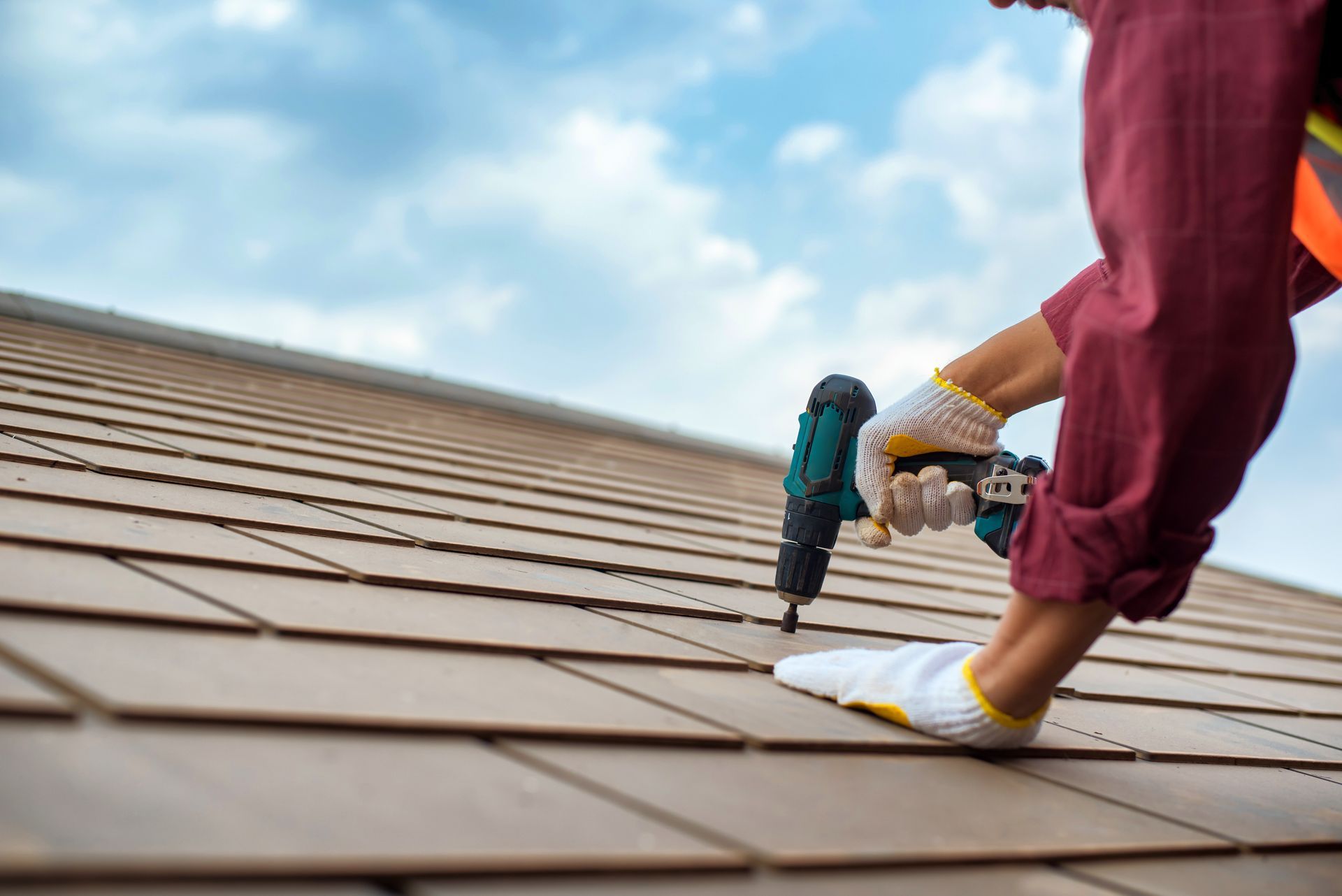
The cost of fixing a roof depends on the pitch of your roof, the materials installed, and the underlying extent of the damage. A minor issue, such as replacing a few blown-off shingles or resealing a pipe collar, might only cost a few hundred dollars. If you find yourself in this situation, professional roof repair services can resolve these vulnerabilities quickly.
However, if a leak goes unnoticed, the repair becomes much more complex. Water intrusion quickly rots the oriented strand board (OSB) or plywood decking beneath the shingles. A professional crew will have to remove the old shingles, cut out the rotting wood, install fresh decking, apply a new waterproof underlayment, and weave in new shingles.
The most important cost consideration is the price of waiting. A $400 flashing repair ignored today can easily become a $4,000 mitigation project next season if water destroys your attic insulation and ruins your interior drywall here in Texas.
Repair vs. Replacement: Making the Right Investment
Not every damaged roof should be repaired. Deciding between a targeted fix and a total replacement comes down to the age of the system and the scope of the problem.
If your home in Lakeway has a shingle roof that is only eight years old and sustained isolated wind damage on one slope, a repair is absolutely the right call. It is a cost-effective way to restore the integrity of the home.
Conversely, if your roof is approaching its twentieth birthday, piecemeal fixes are often a waste of money. At that age, fixing a leak in the front valley today doesn't prevent a leak in the rear chimney flashing next month. When a system is at the end of its life, investing in a full roof replacement provides long-term peace of mind.
Why You Should Rely on a Professional
With DIY tutorials available online, it can be tempting to grab roofing cement and try to seal a leak yourself. For your safety and the health of your home, this is strongly discouraged.
Walking on a pitched roof is inherently dangerous, especially if the structural decking beneath your feet has been weakened by rot. Improper repair techniques often trap moisture inside the roofing system, accelerating decay. Furthermore, attempting DIY fixes can instantly void your manufacturer's warranty. Professional contractors have the training to accurately diagnose the root cause of a leak, ensure proper attic ventilation, and utilize high-quality materials.
Protecting Your Home for the Future
Your home is a major financial investment, and maintaining its structural integrity should be a top priority. By staying vigilant and monitoring your property for the early signs of material fatigue, you take control of your home's maintenance schedule.
If you have noticed missing shingles, heavy granule loss, or suspect severe weather has compromised your home, HD Roofing & Repairs is here to help. If you are looking for an honest assessment and reliable roof repair in Lakeway, contacting a qualified local expert is the smartest first step you can take.
Quick Answers for Lakeway Homeowners
How much does roof repair cost?
The average cost for a roof repair typically ranges between $300 and $1,200, depending on the extent of the damage. Minor fixes like replacing missing shingles or sealing flashing sit at the lower end, while repairing structural decking damage will cost more.
How long does a roof repair take?
Most standard residential roof repairs can be fully completed in a single afternoon. Minor maintenance, such as patching a small leak or replacing a plumbing boot, usually takes a professional roofer one to three hours, minimizing disruption to your daily routine.
Can I ignore a minor roof leak?
Never ignore a roof leak, no matter how small it seems. Water intrusion quickly rots wooden decking, damages attic insulation, and promotes dangerous mold growth behind your walls. Addressing a minor leak immediately prevents a cheap fix from becoming a massive structural emergency.
Does homeowners insurance cover roof repairs?
Homeowners insurance usually covers roof repairs if the damage is sudden and accidental, such as from fallen tree branches, heavy winds, or severe hail. However, policies generally do not cover damage caused by gradual wear and tear or a lack of routine maintenance.
How do I know if I need a repair or replacement?
If your roof is relatively new and the damage is isolated to one area, a repair is the most cost-effective solution. However, if your asphalt shingles are over twenty years old, brittle, and failing in multiple spots, investing in a full replacement is much wiser.