
Austin Roof Inspection Tips Before Winter Storms
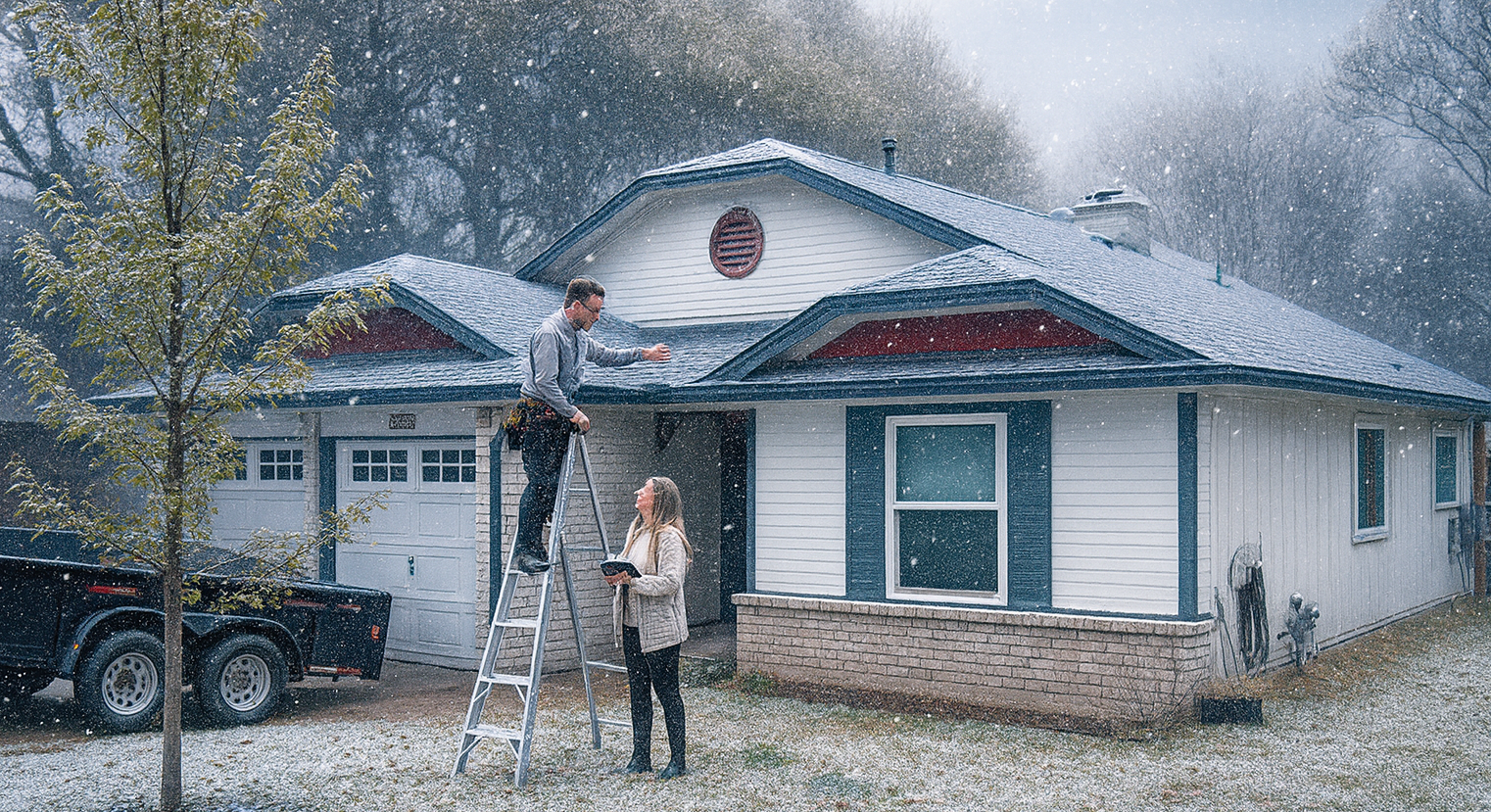
Winter may arrive gently in Central Texas, but when cold fronts collide with Gulf moisture, roofs can face weeks of soaking rain, freezing drizzle, and high winds. For local homeowners, Austin roof inspection tips are essential to keep your home watertight before the first temperature drop.
At HD Roofing and Repairs, our licensed roofers have seen it all, from freeze-thaw cracks after a January cold snap to hidden leaks triggered by heavy December rain. This guide covers the most practical, experience-based Austin roof inspection tips to help you protect your property, document roof conditions, and schedule preventive maintenance before the next winter storm rolls through Travis County.
Why Winter Storm Prep Matters in Austin
Unlike northern climates where snow is the main culprit, Central Texas faces freeze-and-thaw cycles that stress roofing materials in unique ways. One night of subfreezing temperatures followed by a 60°F afternoon can cause shingles to contract and expand, pulling at fasteners and flashing seams.
These swings make Austin roof inspection tips crucial for detecting early warning signs, before leaks spread to ceilings and insulation.
Local NOAA data shows that Austin averages 14–17 rainy days between December and February. When combined with 25–35 mph winter winds, even a small opening in the roof deck can lead to wind-driven rain intrusion.
That’s why our team advises every homeowner to follow professional Austin roof inspection tips by late November, before the first real cold front hits.
Common Winter Roofing Issues in Central Texas
Even though Austin winters are mild, they’re unpredictable. The key to applying these Austin roof inspection tips is knowing what to look for during your seasonal checkup:
1. Expansion and Contraction Stress
Roofing materials, especially asphalt shingles, expand in daytime warmth and contract overnight. This repetitive motion weakens nail seals and exposes underlayment seams.
2. Flashing Separation
Metal flashing around chimneys, vents, and skylights can loosen under freeze-thaw stress. Without resealing, these areas become major entry points for water.
3. Gutter Ice and Overflow
After a hard freeze, trapped water expands in gutters, pushing seams apart and allowing overflow to seep into fascia boards. Following our Austin roof inspection tips for gutter cleaning and slope adjustment can prevent this.
4. Attic Condensation
When warm air rises into a poorly ventilated attic, it condenses on the underside of roof decking. Over time, this moisture encourages mold and reduces insulation effectiveness.
Austin Roof Inspection Tips for Homeowners
To make Austin roof inspection tips easy to follow, our licensed inspectors organized this guide into clear steps, each designed for real-world application, not just theory.
1. Start with a Visual Walk-Around
Begin from the ground. Look for lifted shingles, sagging lines, and dark streaks beneath eaves. Use binoculars if necessary. If you spot missing shingles or discoloration, note it before scheduling a professional inspection.
2. Examine Gutters and Downspouts
Leaves from Austin’s live oaks and cedar elms tend to clog gutters in November. Clean them out thoroughly and make sure water flows freely. Overflowing gutters during a freeze can back up onto the roof deck.
3. Inspect Flashing and Vents
Flashings at chimneys, ridge vents, and skylights are critical areas. Apply sealant where edges have lifted. For detailed inspection and sealing, contact HD Roofing for professional service through our Roof Inspection program.
4. Inspect Flashing and Vents
During winter, attic airflow is often overlooked. Balanced ventilation reduces condensation that leads to hidden leaks. Our Austin roof inspection tips include checking for light or moisture near rafters, both signs of air leaks or heat loss.
5. Verify Roof Drainage on Flat or Low-Slope Areas
Garages and patio covers with minimal pitch can accumulate water. Standing water that lasts more than 48 hours increases the chance of winter leaks. A quick fix: ensure scuppers and drains are clear before storms arrive.
6. Review Flashing Around Skylights and Solar Panels
Austin’s growing number of solar installations creates new flashing points. Verify seals around mounting brackets, which often fail first during cold rains.
Professional Austin Roof Inspection Tips from Licensed Roofers
As licensed roofing contractors with decades of Texas-specific experience, our team uses a blend of visual, tactile, and digital tools for accurate winter-readiness assessments.
Moisture Meter Scans
Our inspectors use digital moisture readers along ceilings and decking to locate hidden water before stains appear.
Drone Imaging
High-resolution drones capture ridge and valley areas too dangerous for homeowners to access. This is one of our most valuable Austin roof inspection tips because it prevents safety risks while gathering precise data.
Thermal Imaging Cameras
Thermal scans detect insulation gaps and cold bridges, areas where heat loss accelerates ice formation and condensation.
Our approach to Austin roof inspection tips ensures every finding is documented with photo evidence and straightforward repair recommendations.
Real Austin Scenario: Roof Leak During a Freeze
Last February, an HD Roofing client in North Austin noticed small ceiling spots after a mild drizzle. They assumed it was nothing serious. Two weeks later, a cold front brought overnight freezing rain. By morning, those small stains had spread across an entire room.
When we inspected, we found cracked flashing near a vent pipe, something that could’ve been caught with standard Austin roof inspection tips months earlier. A $200 sealant fix could’ve prevented $2,500 in drywall and insulation repairs.
This real scenario proves why local homeowners benefit from professional Austin roof inspection tips before storms strike.
Why Austin’s Weather Demands Extra Roof Care
Unlike dry winter climates, Austin combines humidity, wind, and rapid temperature changes, three factors that shorten roof lifespan.
NOAA reports that Central Texas can experience up to 25 freeze-thaw cycles each winter. These fluctuations cause micro-cracks in sealant and flashing. Over time, those cracks become leaks that appear months later.
Our licensed roofers emphasize Austin roof inspection tips focused on prevention, not reaction. Addressing these micro-failures now means fewer emergency calls when storms hit in January.
Gutter and Yard Maintenance Tips for Winter Storm Prep
Winter readiness goes beyond shingles and flashing. HD Roofing recommends homeowners incorporate Austin roof inspection tips into overall property preparation.
Clean Roof Valleys
Leaf buildup in valleys can trap water, freezing into dense ice that pries apart shingles. Sweep and flush valleys every few weeks during leaf season.
Trim Nearby Trees
Branches scraping shingles during wind gusts can remove granules, exposing asphalt to UV and rain. Trim at least six feet away from roof edges.
Secure Outdoor Items
Patio furniture and grills can become airborne in strong cold fronts, striking siding or guttering. Clearing your yard is an underrated but valuable part of Austin roof inspection tips for winter safety.
When to Schedule a Professional Roof Inspection
The ideal time for Austin roof inspection tips to be applied is mid to late November, after fall debris has dropped but before major rain events arrive.
If you haven’t scheduled your inspection yet, do it now. By December, most Austin roofing crews are booked solid responding to freeze-related calls.
At HD Roofing and Repairs, we offer comprehensive inspections with full documentation, photo reports, and priority scheduling for existing clients.
The Role of Documentation in Preventing Future Headaches
One of our most valuable Austin roof inspection tips is maintaining a digital record of your roof’s condition. Documentation helps with warranty validation, resale value, and homeowner peace of mind.
Every HD Roofing inspection includes:
- Date-stamped photos before and after inspection
- Moisture readings
- Repair recommendations with urgency levels
- Verification of materials and manufacturer codes
Having this record means fewer disputes, faster repairs, and full confidence before winter storms.
Visit Us in Austin, TX
Your home is one of your most valuable investments, don’t let an unexpected winter storm test its limits. At HD Roofing and Repairs, we make Austin roof inspection tips simple, practical, and personalized for each property.
Our certified roofing team serves Austin and nearby communities, combining local expertise with advanced diagnostic tools.
Visit us in Austin, TX or schedule your professional inspection today.
Final Thoughts: Protect Your Roof Before the Next Front
Winter storms may be short in Central Texas, but they can cause long-lasting damage when neglected. The best defense? Consistent, proactive care using trusted Austin roof inspection tips that identify weak points before they become leaks.
Document your inspection, verify ventilation, and clean your gutters, then let the experts at HD Roofing and Repairs handle the rest.
Book your Austin roof inspection before the next cold front hits.
Frequently Asked Questions
How often should I schedule a roof inspection in Austin?
At least twice a year, once in spring after hail season, and again before winter storms. Following consistent roof inspection tips prevents small problems from becoming major repairs.
What are early signs my roof needs attention?
Ceiling discoloration, granules in gutters, or lifted flashing are common signs. A quick inspection following our roof inspection tips helps confirm if repairs are needed
Can I perform my own inspection safely?
Yes, from the ground or attic. For roof-level checks, hire licensed professionals who know what to look for and use harnessed equipment.
Do you provide written inspection reports?
Absolutely. HD Roofing provides photo-documented reports to help homeowners track maintenance. Documentation is a central part of our roof inspection tips process.
Does HD Roofing handle commercial buildings too?
Yes, we specialize in both residential and commercial Roof Inspection services across Central Texas.


