Stay Updated with HD Roofing And Repairs’ Roofing Blog
Get Your Free Estimate
Contact Us

HONEST AND DEPENDABLE
The Roofer’s Corner
HD Stories, Solutions And News


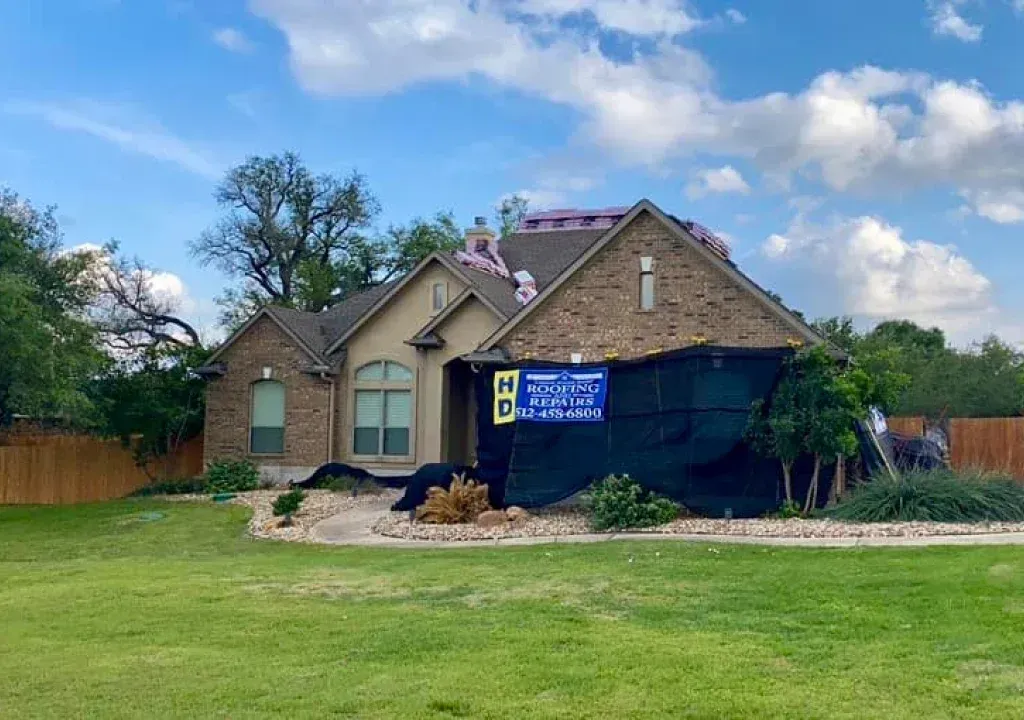
STAY UPDATED WITH HD ROOFING AND REPAIRS' ROOFING BLOG
When it comes to maintaining, repairing, or replacing your roof, staying informed is key. HD Roofing and Repairs is proud to present our Blog page—a dedicated resource for homeowners and businesses in Austin, TX, and beyond. Our blog provides valuable insights, expert advice, and the latest industry trends in roofing, all crafted to help you make informed decisions about your property’s roof.
We understand that roofing is an essential part of protecting your investment, and that’s why our blog covers a wide range of topics, from residential roofing tips to the latest innovations in commercial roofing. Whether you’re a homeowner dealing with minor roof damage or a business owner considering a roof upgrade, our blog is your go-to source for practical roofing advice.
WHY FOLLOW OUR ROOFING BLOG?
Our blog is designed to give you access to timely, relevant, and expert information about roofing in Texas. The harsh Texas weather can take a toll on roofs, and staying proactive with roof maintenance and understanding potential issues is essential for extending the life of your roof.
Here’s why you should follow HD Roofing and Repairs’ blog:

Expert Tips
Learn from seasoned professionals with years of experience in roofing. Our blog covers everything from identifying early signs of roof damage to understanding roofing materials.

Texas-Specific Insights
With our headquarters based in Austin, TX, we know exactly how local weather conditions like heat, hail, and windstorms can affect your roof. Our blog provides Texas-specific tips to keep your roof in top shape.

Latest Industry News
Stay updated on the latest innovations in roofing, from eco-friendly materials to cutting-edge installation techniques. We bring you insights from industry-leading experts and share the best roofing solutions for your property.

Maintenance Advice
Regular roof maintenance can save you thousands of dollars in repairs. Our blog offers practical guides on seasonal roof maintenance, gutter care, and how to handle storm damage.

Informed Decision-Making
Whether you’re deciding between roof repair and replacement or looking to install a new roof, our blog provides the information you need to make the best choice for your property.
ROOFING TIPS FOR TEXAS HOMEOWNERS
One of the central themes of our Blog is providing homeowners with roofing tips tailored to the unique challenges of living in Texas. From blistering summer heat to unpredictable storms, your roof bears the brunt of the elements. In this section, we regularly post articles that help you:
- Spot early signs of roof damage before they escalate
- Understand when it’s time to invest in roof repairs or a full replacement
- Learn about energy-efficient roofing options to lower your utility bills
- Prepare your roof for severe weather, such as hurricanes and hailstorms
- Compare the best roofing materials for durability and style
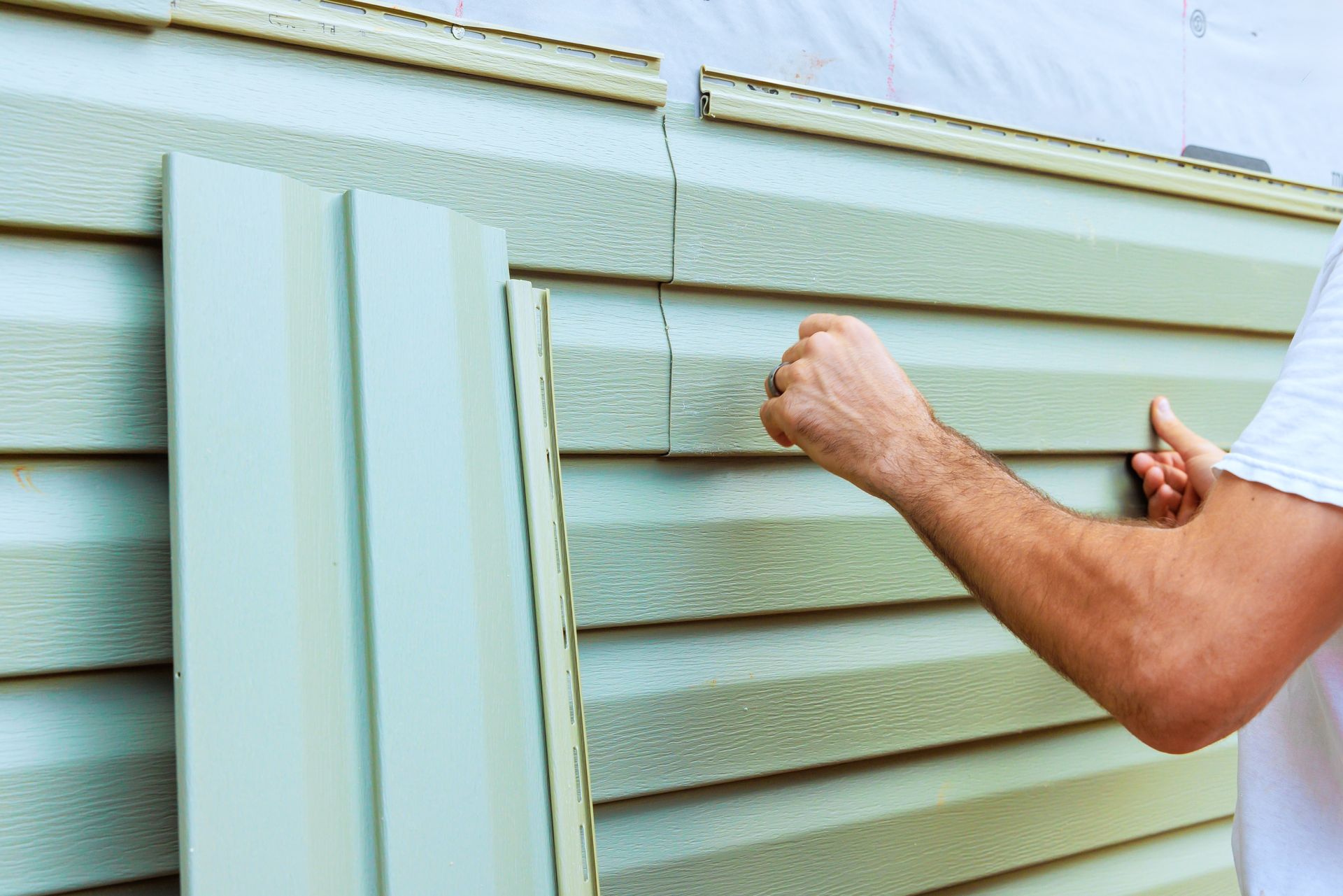
For homeowners considering a major roofing project, be sure to check out our posts on residential roofing. We delve into topics like roofing materials, warranties, and what to expect during roof installations and repairs.
COMMERCIAL ROOFING SOLUTIONS AND INSIGHTS
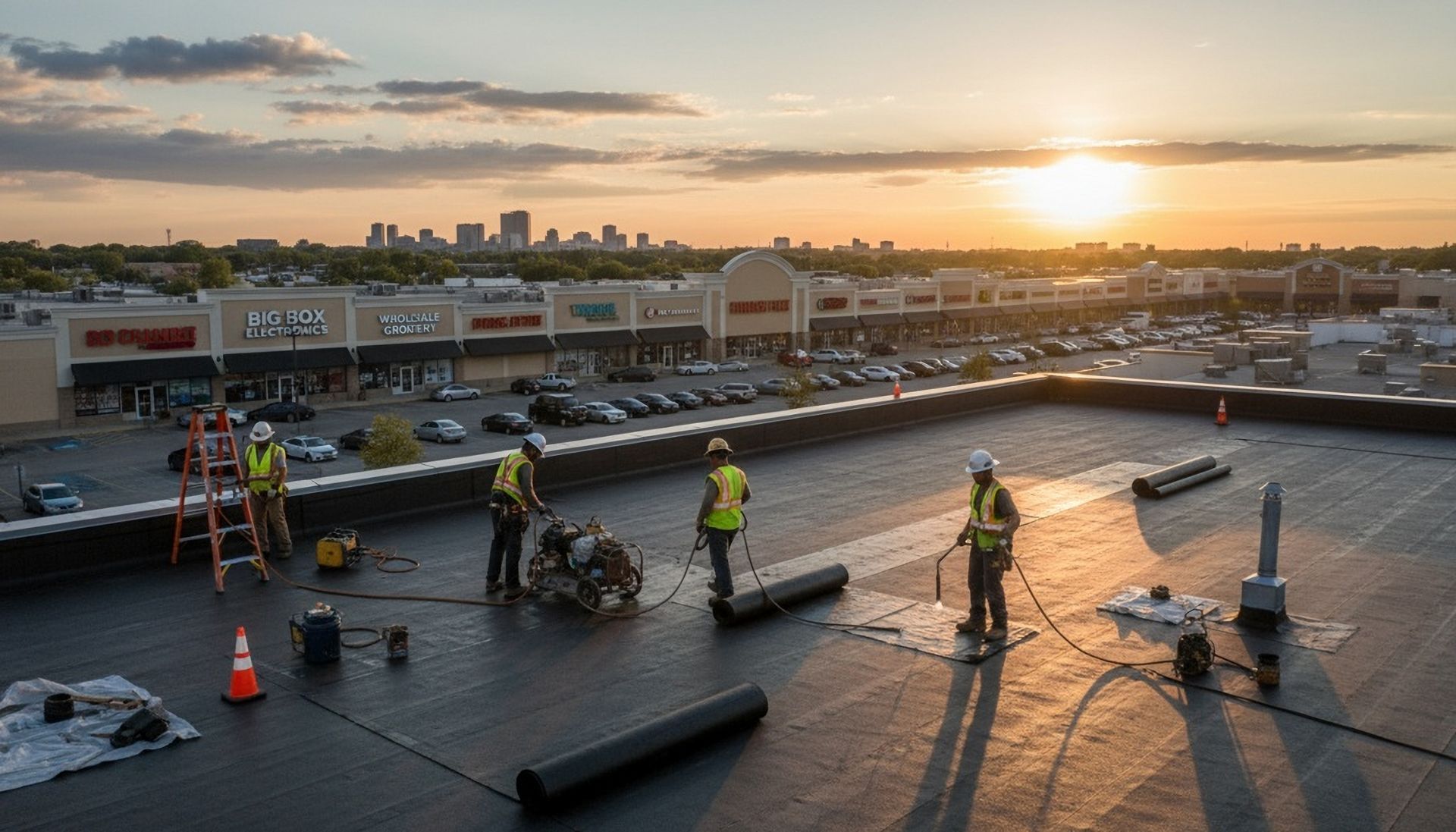
Running a business comes with a host of responsibilities, and ensuring the integrity of your commercial roof is one of them. Our blog features a wealth of content aimed at business owners looking to maintain or upgrade their commercial roofing. We understand the challenges that commercial properties face, from needing large-scale roofing systems to ensuring minimal disruption during repairs or installations.
Topics covered include:
- How to select the right commercial roofing materials
- Tips for prolonging the lifespan of a commercial roof
- The benefits of regular commercial roof inspections
- Innovative commercial roofing technologies that can save your business money
- How to handle emergency roof repairs without disrupting operations
If you’re considering a new roof for your business, our blog offers detailed comparisons of commercial roofing systems, insights on the best materials for Texas weather, and advice on working with contractors for seamless projects. Don’t miss our in-depth posts on commercial roofing for more detailed information.
ROOFING NEWS AND INDUSTRY TRENDS
The roofing industry is constantly evolving, with new materials, techniques, and technologies coming to the forefront. Our Blog page serves as a source for the latest updates, helping you stay informed about:
- The benefits of sustainable, energy-efficient roofing options
- New roofing technologies that enhance durability and energy savings
- Innovative roofing designs that improve property value and aesthetic appeal
- The impact of changing regulations and building codes on roofing projects
- Advances in roofing materials that provide better protection against the elements
Whether you’re a homeowner or a business owner, these industry updates can help you make smarter choices when it comes to maintaining or upgrading your roof. Stay tuned for articles covering innovations like solar roofing, reflective coatings, and other green roofing options that can benefit both your property and the environment.
ROOFING FAQ: YOUR QUESTIONS ANSWERED
We know that roofing can be a complex topic, and you probably have plenty of questions. Our blog regularly features a comprehensive FAQ section, addressing common concerns and offering detailed answers based on our years of roofing experience. Some of the questions we address include:
- How often should I inspect my roof for damage?
- What are the most durable roofing materials for Texas homes?
- How can I tell if my roof needs repair or replacement?
- What should I look for in a roofing contractor?
- How do I protect my roof from storm damage?
We’re committed to helping you protect your roof and extend its lifespan, so don’t hesitate to check out our FAQ posts for answers to these and many other roofing-related questions.
AREAS WE SERVE: ROOFING SOLUTIONS ACROSS TEXAS
While our blog focuses heavily on Austin, TX, and surrounding areas, our roofing expertise extends across the state. HD Roofing and Repairs proudly serves numerous communities, offering both residential and commercial roofing services. Our Blog highlights the various regions we work in, helping you stay updated on roofing tips that are relevant to your area. Be sure to explore our posts tailored to the specific needs of different regions within our areas we serve to ensure your roof is ready for any challenge Texas weather throws your way.
At HD Roofing and Repairs, we’re dedicated to providing you with the knowledge and resources you need to keep your roof in excellent condition. Follow our Blog for the latest roofing advice, tips, and trends. Whether you’re dealing with a minor roof leak, planning a full roof replacement, or looking for ways to make your roof more energy-efficient, we have the expertise you can trust.
Stay informed, stay protected, and check back regularly for new posts on all things roofing. For more information on specific roofing services, don’t forget to visit our residential roofing, commercial roofing, and areas we serve pages for detailed insights into how we can help protect your property from the top down.
SCHEDULE A FREE ROOFING CONSULTATION
At HD Roofing and Repairs, we believe that every homeowner and business in Austin and the surrounding areas deserves a roof that provides reliable protection, comfort, and long-term value. That’s why we offer free consultations to thoroughly assess your roofing needs and deliver a detailed, no-obligation estimate tailored to your project.
Our commitment is to ensure that the roofing process is smooth and stress-free from start to finish. From the initial consultation to the final cleanup, we take care of every detail with precision and care. Contact us today to schedule your free consultation and see why so many in Austin trust HD Roofing and Repairs for their roofing projects.
HD ROOFING AND REPAIR SERVICE AREAS
TRAVIS COUNTY
WILLIAMSON COUNTY
HAYS COUNTY
BASTROP COUNTY