
Insurance Claim Assistance Specialists IN AUSTIN, TX
Get Your Free Estimate
Contact Us

HONEST AND DEPENDABLE
In Texas, the clock starts ticking the moment your property is damaged. You have up to one year to file a claim with your insurance carrier after the storm has occurred. This might seem like plenty of time, but life gets busy and delays can happen. If you were away or physically unable to file, extensions might be granted.
Ways to get ahead
There are three types of homeowners
We handle a wide range of Roof Repair issues, no matter the size or scope of the damage. Some of the most common roofing problems we address include:

Proactive Homeowner
This type of homeowner is the first to call when something happens at their home. Big or small they want it fixed and they want it fixed fast. They are prepared to call a specialist the day after a storm comes through there neighborhood. The benefits of being a proactive homeowner is being on top of problems before they get worse. Usually a proactive homeowner is someone who has experience in filing claims and understands the process. Being a proactive homeowner is always the best when it comes to storm related damage. The sooner you call your insurance company the sooner they can come out and assess damages. Falling behind can prolong insurance companies for an inspection due to all the other claims that got filed ahead of yours.

Nosey Homeowner
This is the type of homeowner who assesses the situation that just occurred and typically waits and sees if their neighborhood is getting approved through insurance before they make their decision. These homeowners are also more likely to work with companies that are local and insured. They do not jump at the first roofer or contractor that knocks on their door. The Nosey homeowner asks questions and understands that they might need to get the work done but are not fast to make decisions. They would rather wait for their neighbor to make the first move.

Neglective Homeowner
This is the type of homeowner who says, “I don't have damage or my roof is fine”, even after everyone on their street has gotten their roof done. They are either thinking that getting their roof done is going to increase their insurance premiums every month or do not have the proper funds to cover their portion of the damages that is stated in their policy. The neglective homeowner is the homeowner that we try to educate the most. They do not understand the importance of getting their roof done when a storm just came through. These homeowners will prolong issues and will only call when they see a leak coming through their ceiling. But by that time the damage has gotten more costly and also decreases their chances of getting their roof approved.
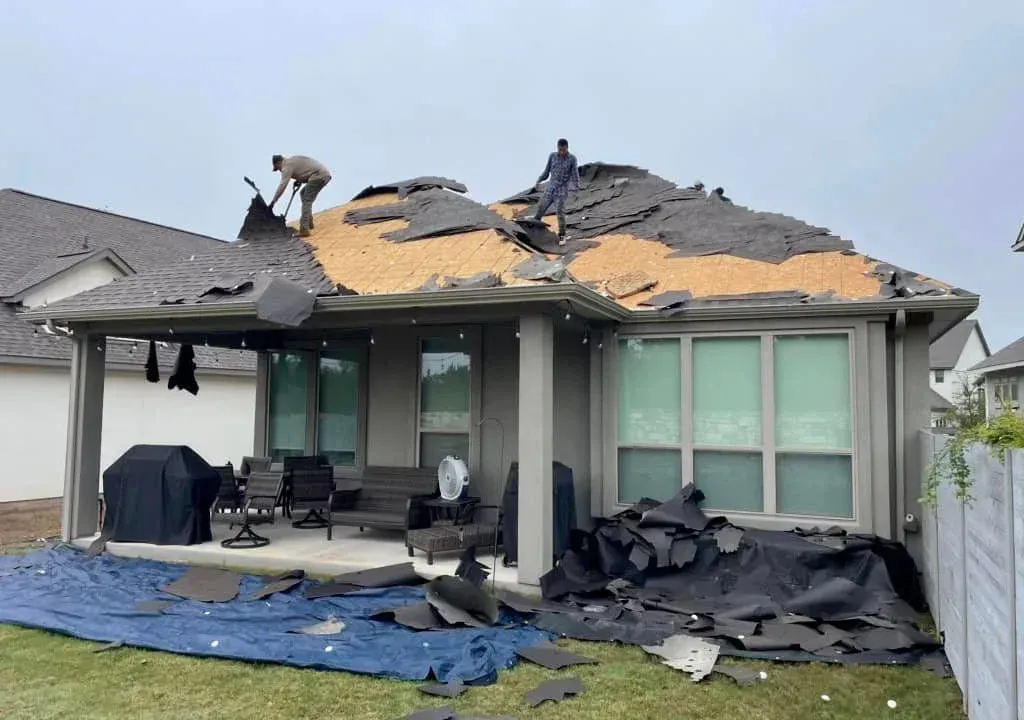
DIFFERENCE BETWEEN HOME INSURANCE AND AUTO INSURANCE
There is a massive misconception between home and auto insurance. People believe that filing a claim on your home will increase their insurance premiums. The truth is insurance premiums go up by zip code. Areas that receive storm related damage frequently will have higher premiums then areas that don’t. However, not filing a claim when a storm related event occurs on your property can result in insurance companies dropping their policy coverage or even worse not covering any damages at all. The difference in auto insurance and home insurance is simple. Insurance companies look at accidents to a vehicle as a preventable act. So the more accidents you are a part of will indicate to the insurance carrier that you are a liability on the road which will inevitably increase your insurance premiums every month. On the other hand Homeowner insurance is an act of god, meaning something that you can not prevent. It’s not like you can pick up your home and move it to a different location while a storm passes through your area. This is why insurance companies allocate proper funds to bring your property back to market value when an unpreventable event occurs. The more times storm related events occur in that area will indicate that your property is involved in a high storm related area which will inevitably increase your premiums.
OUR STEP BY STEP PROCESS FOR INSURANCE CLAIMS
Contact Us
STEP ONE
Contact your insurance provider and inform them to file a hail or wind claim based on the evidence found by your local roofer during their field inspection.
Step Two
The insurance company will assign an adjuster to do a personal inspection. Most adjusters work for the insurance company, while some may hire a 3rd party.
Step Three
Once your insurance company approves the claim, you will receive a scope of work that lists the components of your roofing project. Before starting the work, double-check your policy to figure out your exact out-of-pocket expenses. (deductible, ACV/RCV, etc.)
Step Four
Have your chosen local roofer assess the scope of work provided by your insurance. Sometimes, components may be left off your scope of work that your contractor can supplement for additional funds. This helps provide you with enough money to replace 100% of the roofing system.
Step Five
You will receive your first check in the mail that reflects the amount of your roof that has depreciated over time, minus your deductible. Once the project is complete, you will receive the depreciation check that will equal your roof’s total replacement value. The second check can only be released once your insurance has proof that your deductible was paid in full and that the two checks were used for payment.
– **On September 1st, 2019; House Bill 2102 went into effect. HD2102 is a modification and expansion of the Deductibles law that’s been around for many years. This bill passed by Texas Governor Greg Abbot requires ALL Texas homeowners to pay their insurance deductibles and “punish” contractors who waive – or “eat”- deductibles. Before HB2102, this was common practice for roofing contractors to offer to waive your deductible to help you get a new roof due to hail or wind damage. Although this practice has technically been illegal in Texas since 1989, this statute was not well written so there was little enforcement. The new HB 2102 makes enforcement possible.**