Wildlife Roof Damage in Austin: How to Identify, Repair, and Prevent
Wildlife Roof Damage in Austin, TX
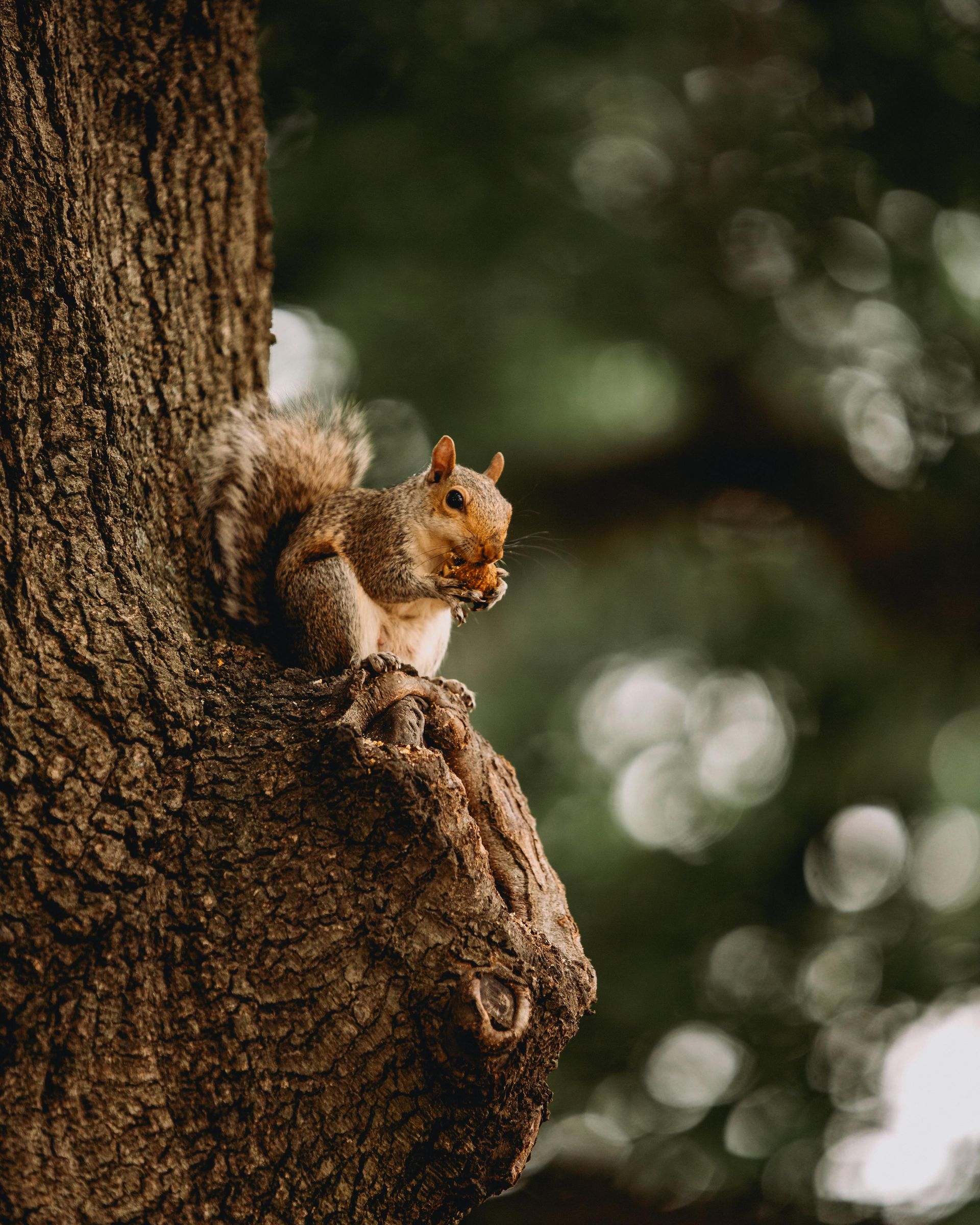
Austin’s lush canopy—from the towering oaks of Tarrytown to the wooded lots of Westlake—is a paradise for local wildlife. Unfortunately, your roof is often the first thing squirrels, raccoons, and bats encounter in their search for a dry, warm nesting spot.
Ignoring a small chew mark today can lead to a flooded attic or an electrical fire tomorrow. This guide covers everything Austin homeowners need to know about managing wildlife-related roof repairs in 2026.
Table of Contents
- The Usual Suspects in Austin
- Warning Signs of Intrusion
- The Hidden Dangers of Animal Damage
- Repair and Fortification Steps
- Prevention Tips
- Wildlife FAQ
The Usual Suspects: Common Austin Wildlife Affecting Your Roof
In Central Texas, certain species are notorious for turning high-end roofing materials into expensive chew toys.
- Squirrels: They are the #1 culprit in Austin. A squirrel’s teeth never stop growing, so they gnaw on shingles, fascia boards, and lead pipe flashing to keep them filed down.
- Raccoons: These "trash pandas" have incredible dexterity. They can literally peel back shingles or rip off vent caps to create an entrance.
- Bats: Particularly common near the Congress Avenue Bridge area. They don't "damage" the roof to get in, but they can squeeze through gaps as small as 3/8 of an inch, leading to guano accumulation.
- Roof Rats: Common in older Austin neighborhoods, these rodents thrive in the space between your roofline and insulation.
5 Warning Signs You Have a "Roof Roommate"
Early detection is the difference between a minor patch job and a full roof replacement. Watch for these red flags:
- Audible Clues: Scurrying or scratching during the day (squirrels) or heavy thumping at night (raccoons).
- Visual Entry Points: Torn shingle edges, chewed wood on the eaves, or bent metal vents.
- Gutter Debris: Nests or unusual amounts of organic material clogging your drainage system.
- Stains & Odors: Dark "rub marks" around entry holes (body oils from rodents) or the pungent scent of ammonia in the attic.
- Compromised Flashing: Lead boots on plumbing vents that look "bitten" or jagged.
Why Wildlife Damage is a Hidden Financial Drain
Beyond the hole in your roof, animals create secondary hazards that can compromise your home’s safety:
- Fire Hazards: Rodents are responsible for an estimated 20% of "undetermined" house fires due to chewing through electrical wiring in the attic.
- Efficiency Loss: Nesting animals trample and soil insulation, significantly reducing its R-value and increasing your Austin Energy bill.
- Water Intrusion: An animal entry point is essentially an open invitation for Texas thunderstorms to flood your ceiling.
Step-by-Step: Handling Animal Intrusion & Roof Repair
Step 1: Professional Removal vs. DIY
In Texas, certain species like bats are protected, and it is illegal to exclude them during "maternity season" (typically spring and summer). Always consult a licensed wildlife removal expert before sealing any holes to ensure you aren't trapping live animals inside.
Step 2: Structural Assessment and Decontamination
Once the animals are gone, a roofing professional must assess the decking. Animal waste is corrosive and can rot wood over time. Professional cleaning is often required to remove pheromones that attract other animals to the same spot.
Step 3: Fortifying Entry Points
Standard repairs aren't enough. To prevent a return, use "critter-proof" materials:
- Steel Mesh: Reinforce soffits and vents with heavy-duty hardware cloth.
- Bullet Boots: Replace chewed lead pipe flashing with high-quality, non-malleable alternatives.
- Drip Edge: Ensure a metal drip edge is installed to close the gap between the roof deck and the fascia.
Prevention Strategies for Central Texas Homeowners
- The 6-Foot Rule: Trim all tree branches so they are at least 6 feet away from your roofline. Austin's Live Oaks are perfect "highways" for squirrels.
- Upgrade Your Vents: Swap plastic ridge vents for metal-reinforced versions that resist chewing.
- Annual Inspections: Have a pro check your "roof junctions"—where two roof sections meet—as these are the most common failure points.
Conclusion: Don't Let Nature Move In
Wildlife damage is a progressive problem. The longer you wait, the deeper the animals—and the moisture—will penetrate your home. At HD Roofing & Repairs, we specialize in identifying these vulnerabilities and providing repairs that are tougher than the critters trying to get in.
Suspect a leak or an intruder? [Schedule your 2026 Roof Health Audit with HD Roofing & Repairs today!]
Frequently Asked Questions (FAQ)
1. Does homeowners insurance cover wildlife roof damage in Texas? Most "all-risk" policies cover damage caused by larger animals like raccoons or opossums, but many exclude damage from "vermin" (mice, rats, and squirrels). Check your specific policy language.
2. Can squirrels chew through metal roofing? No. While they can chew through lead flashing or soft aluminum, they cannot bite through standing seam steel or high-quality metal shingles.
3. How do I know if the noise in my attic is an animal or just the house settling? House settling is usually a single "pop" or "creak" due to temperature changes. Animal activity is repetitive—scratching, rolling nuts, or consistent walking sounds.
4. When is the most common time for wildlife to enter roofs in Austin? Typically during the late fall (seeking warmth) and early spring (maternity season).
5. What is the best way to keep raccoons off my roof? Trimming overhanging trees is the most effective method. You can also install specialized "raccoon guards" (smooth metal sheets) around support pillars or corners they use to climb.


