
Why Lakeway Roof Inspections Matter After Cold Fronts
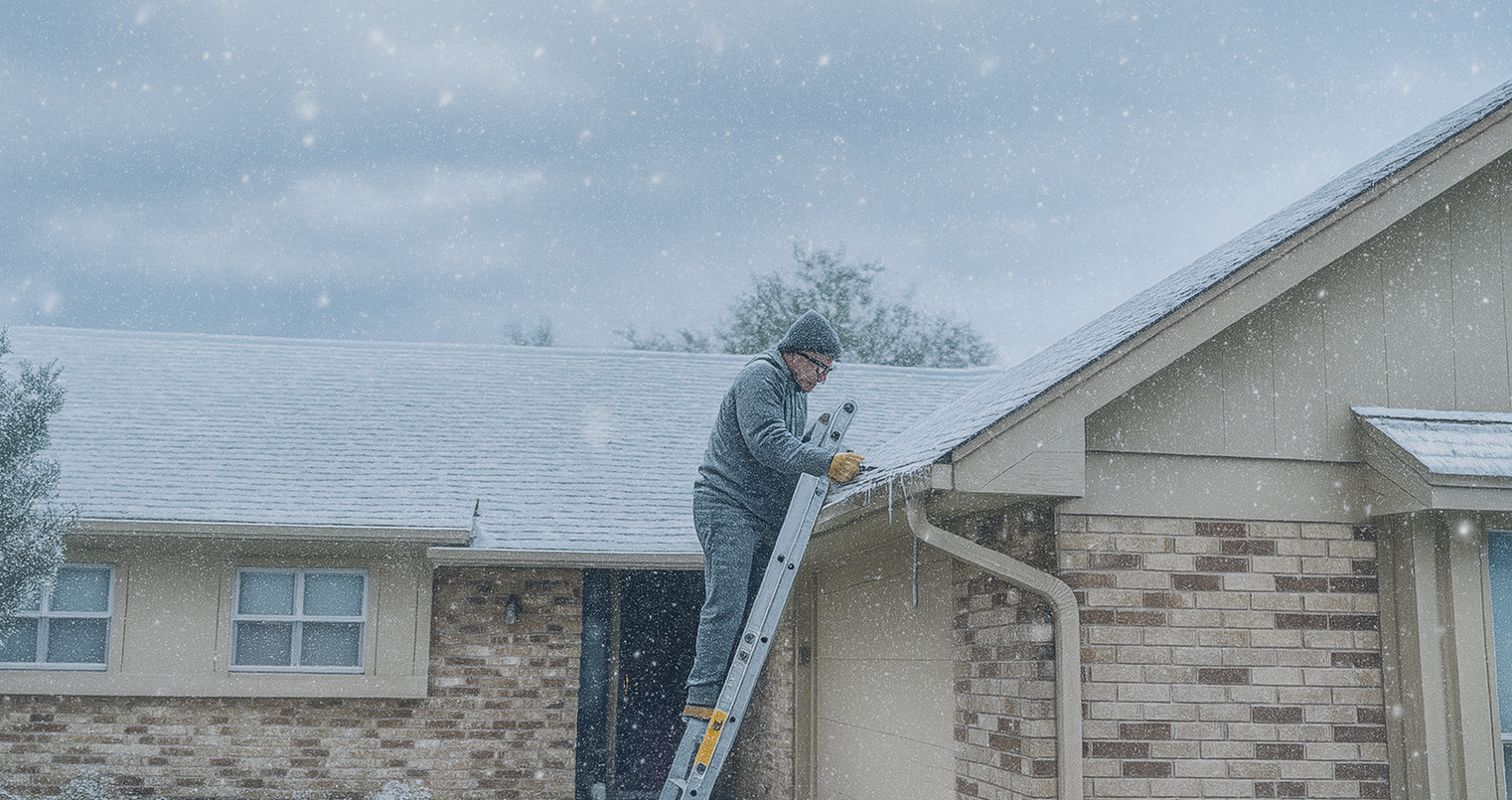
When a winter cold front moves across the Hill Country, homeowners in Lakeway often feel the drop immediately, cold mornings, frost on the deck, and that unmistakable crackle of expanding shingles as roofs adjust to the temperature swing. What many don’t realize is that these shifts can quietly stress a roof in ways that become visible weeks later. That’s why Lakeway roof inspections matter so much during the winter season, especially after a sudden freeze.
Whether it’s a light Hill Country frost or a more severe drop like the ones Austin experienced during Winter Storm Uri, cold fronts create conditions that can damage shingles, flashing, gutters, and attic ventilation. This Safety Advisory guide explains why Lakeway roof inspections are essential after a cold front, what homeowners should look for, and how a professional inspection protects your home from hidden winter damage.
How Cold Fronts Impact Lakeway Roofs
Lakeway sits slightly higher in elevation than central Austin, which means the area tends to cool faster at night. According to NOAA, Lakeway can experience temperature drops of 25–35 degrees within hours when a winter cold front arrives. These sudden drops create stress across the roof structure.
- Licensed roofers across West Austin frequently see:
- Shingles shrinking, then lifting
- Sealant cracking around vents and chimneys
- Frost melting into attic spaces
- Gutters freezing, then overflowing
- Ridge caps flexing during expansion
Each of these conditions can escalate into serious damage, which is why Lakeway roof inspections after every cold front are strongly recommended.
Why Freeze–Thaw Cycles Are the Most Dangerous
The real danger comes not from the cold itself, but from the transition back to warmth. After a freeze, roofs experience a thaw, and that repeated cycle causes both expansion and contraction of roof materials.
A simple example:
- Night freeze → Shingles become brittle.
- Daytime warmth → Shingles expand rapidly.
- Hidden cracks form under the surface.
This is the same freeze–thaw pattern that forms potholes in the road, and it works the same way on your home.
Because of this, professional Lakeway roof inspections help detect problems before they grow, especially when the symptoms aren’t obvious from the ground.
A True Lakeway Story: A Roof Leak That Started as Morning Frost
One of our licensed inspectors recently worked with a homeowner off Lohmans Crossing who noticed a faint yellow ring on a bedroom ceiling. It hadn’t rained in over a week. But the homeowner remembered one icy morning after a cold front.
During our inspection, we found:
- A lifted shingle from freeze contraction
- Frost melt entering through a tiny seam
- Moisture pooling behind insulation
- A slow drip onto the ceiling
This homeowner needed immediate repairs to prevent mold. Without timely Lakeway roof inspections, the small frost event would have become a major leak by February.
Stories like this are common, not because Lakeway gets heavy snow, but because roofs here aren’t built for long strings of freezing temperatures.
What Roof Areas Are Most Affected After Cold Fronts?
After a cold front, these roof components are at higher risk:
1. Shingles
Cold weather makes shingles stiff and prone to cracking. Wind gusts during a front can lift shingle edges, creating entry points for water.
2. Flashing
Metal expands and contracts faster than asphalt. That means flashing around chimneys, skylights, and walls can separate.
3. Gutters
Overnight frost can create small ice dams. When they thaw, they push water back under shingles.
4. Ridge Caps
The highest points on the roof experience the most temperature variation. Ridge caps are often the first components weakened during freeze events.
5. Attic Ventilation
Condensation from warm indoor air rising into a cold attic can mimic leaks or cause mold blooms.
Because these areas are dangerous to inspect without training, professional Lakeway roof inspections ensure the process is handled safely.
Safety First: How to Check Your Roof After a Cold Front
This guide is a safety advisory, so we emphasize safe practices only. Homeowners should never walk icy or frosted roofs.
Safe steps you can take:
- Look for shingle lifting using binoculars.
- Check gutters from a ladder at ground level.
- Peek into the attic for frost or moisture on nails.
- Walk the exterior and look for granules on the ground.
- Listen for dripping inside walls after thawing.
If anything seems off, schedule Lakeway roof inspections with trained professionals who use proper fall protection, harnesses, and ridge-safe equipment.
Professional Inspection Techniques Used in Lakeway
When our inspectors perform Lakeway roof inspections, we use tools and methods designed specifically for winter damage detection:
1. Moisture Meter Testing
Used inside attics and on interior ceilings to detect hidden moisture.
2. Thermal Imaging Cameras
Ponding = silicone
Slopes = acrylic/polyurethane
3. Drone Scanning
Allows for safe top-down inspection without stepping on frosted shingles.
4. Flashing Movement Assessments
We perform manual checks for expansion-related separation around chimneys and vents.
5. Gutter and Downspout Flow Testing
Ensures frost has not created blockages.
Each of these strategies helps catch problems early, before they worsen during February storms.
Lakeway Weather: Why Roofs Here React Differently
Living in Lakeway means dealing with:
- Sharp drops in temperature during Hill Country cold fronts
- High humidity lingering after storms
- Morning frost along shaded roofs
- Strong winds coming off Lake Travis
- UV exposure even in winter months
These localized weather patterns mean that Lakeway roof inspections require special regional knowledge, not generic advice meant for other climates.
Just like hailstorms in Huron or sudden monsoons in Ohio, Lakeway has its own pattern: fast freezes that reverse by mid-day and cause unseen structural stress.
Why January and February Are High-Risk Months
Historically, NOAA data shows that most freeze–thaw cycles in the Lakeway area occur between:
- Mid-December
- Late February
This period is the peak time for cold fronts that cause contraction damage.
Because of this pattern, licensed roofers recommend Lakeway roof inspections at least once between winter holidays and the start of spring storms.
Exterior Signs Lakeway Homeowners Often Miss
If you notice any of the following after a cold front, you should schedule Lakeway roof inspections immediately:
- Dark streaks under shingles
- Dripping sounds inside walls
- Musty attic odors
-
- Loose gutters
- Curling shingles
- Granules around the foundation
- Cracked sealant around roof penetrations
These are all early signs of winter damage.
Attic Red Flags After a Freeze
Look for these attic warning signs:
- Frost on framing
- Damp insulation
- Light peeking through decking
- Rust on roofing nails
- Mold in shaded corners
Many homeowners don’t realize that attic moisture often begins with freeze-related contraction.
The Role of Roof Age in Freeze Damage
Older roofs are more likely to struggle during a cold front. Asphalt loses flexibility over time. Sealants dry out. Underlayment becomes brittle.
If your roof is older than 10–12 years, Lakeway roof inspections should be scheduled more frequently, especially in winter.
Why DIY Roof Inspections Are Risky in Winter
Cold roofs are slippery. Frost is nearly invisible. And freeze–thaw cracks can be hard to spot without training.
We strongly recommend leaving full inspections to licensed roofing professionals.
That’s why many homeowners rely on our commercial-grade screenings on the Roof Inspection page.
Visit Us in Austin, TX
For winter safety, professional evaluation matters. If you’re unsure whether your roof was affected by a recent cold front, you can always Visit us in Austin, TX for trusted service and expert inspections.
Final Call to Action
Cold fronts may be short-lived in the Hill Country, but their impact on your home can last for months if problems go unchecked.
Ensure your Lakeway roof is winter-ready with a professional inspection.
Frequently Asked Questions
How soon after a cold front should I get my roof inspected?
Within 24–72 hours. This is when frost melt reveals hidden damage.
Can freeze-related roof damage cause interior leaks?
Yes. Meltwater can enter through cracks created during a freeze.
Are Lakeway roofs more vulnerable than Austin roofs?
In some ways, yes, Lakeway gets colder faster due to elevation.
Are drone inspections useful after cold fronts?
Absolutely. They allow safe viewing of frosted areas.
How often should Lakeway homeowners schedule inspections?
Absolutely. They allow safe viewing of frosted areas.


